
How to modernise a home full of character thoughtfully - without losing its charm
There’s something about a house full of old charm that needs work which can feel both exciting and overwhelming in equal measures.
You might be standing in a hallway knowing the location is perfect, but unsure where to begin. Or perhaps you’ve just bought a doer-upper and reality has set in – the list feels long and your confidence wavers a little.
Here’s the reassurance I always give clients: you don’t need to do everything at once, and you don’t need to have all the answers today.
In fact, the opposite is often true. Living in the space for a while, getting a proper feel for it, and slowly noting what does and doesn’t work will naturally lead you towards the right decisions.
Modernising a home isn’t about erasing what was there before. It’s about gently updating it so it supports how you live now. With that in mind, here are five things worth considering – from smaller changes to bigger ideas you can grow into over time.
1. Start with light, not layouts
Before knocking through walls or planning major renovations, pay attention to how the natural light moves through the house.
Homes often feel darker or smaller than they actually are because of finishes rather than structure. Heavy colours, dark wood panelling and busy carpets can mask really good proportions.
Simple changes such as:
- choosing a warm white on the walls
- adding mirrors to bounce light around
- lightening wood features
- removing heavier finishes
- letting original details breathe
can completely shift how a space feels.
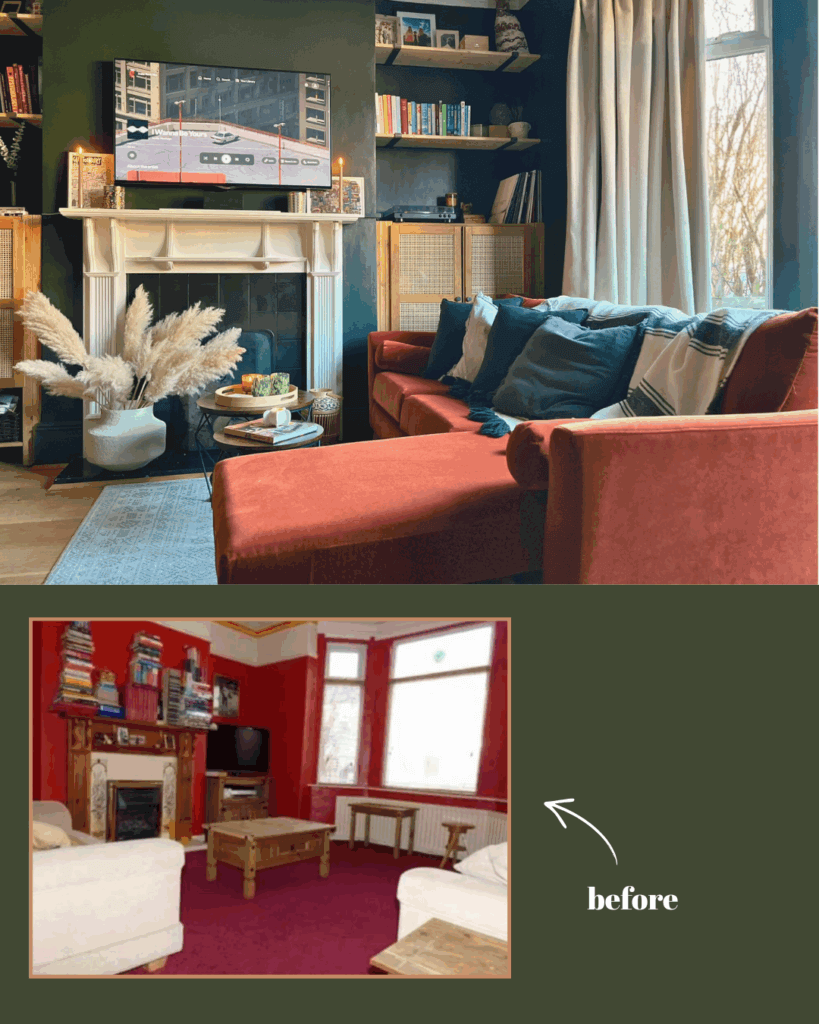
Our front living room is a great example of how finishes can change the emotional feel of a space without altering the bones. The generous bay window and original fireplace were always there – they just needed calmer colours and more considered layering to come into their own.
2. A positive mindset makes all the difference
This is a principle I come back to time and time again.
A dated kitchen isn’t a bad kitchen.
An old bathroom layout isn’t an unworkable one.
And traditional layouts aren’t automatically wrong.
Finishes are changeable. Proportions and flow matter more.
Once you separate what looks tired from what genuinely doesn’t work, homes that initially feel daunting become much easier to imagine living in. That’s often the point where new owners relax and realise that this is, in fact, completely doable.
3. Improve flow before you add space
One of the most common challenges in older homes is flow – particularly where rooms feel small, dark, or less suited to modern life.
Before extending, it’s worth understanding how you’ll actually use the house day to day. Where will people naturally gather? Which rooms benefit most from natural light? Where does circulation feel awkward?
Often, better use of existing space delivers the biggest improvement. Clever storage, distinct zoning and a cohesive colour palette across connected rooms can make a home flow easier and feel more intuitive to live in.
You don’t always need more space – you often just need the space to work better.
4. When you’re ready, open things up - mindfully
Opening up kitchens, dining spaces or rear rooms can be transformative, but it doesn’t have to be all or nothing.
Removing a dividing wall, widening an opening, or introducing glazed doors can create a sense of openness while still allowing rooms to be closed off when needed. This broken-plan approach has become increasingly popular with my clients, particularly families who want connection without constant noise or visual clutter.
I often work with homeowners who’ve lived in their property for a while before making these changes – and that’s a good thing. Living in the house first allows design decisions to respond to real life, not assumptions.
Victorian and Edwardian homes, in particular, tend to have beautiful proportions, ceiling heights and detailing. The most successful updates respect that. Modernising works best when it feels like a natural next chapter, not a reset.
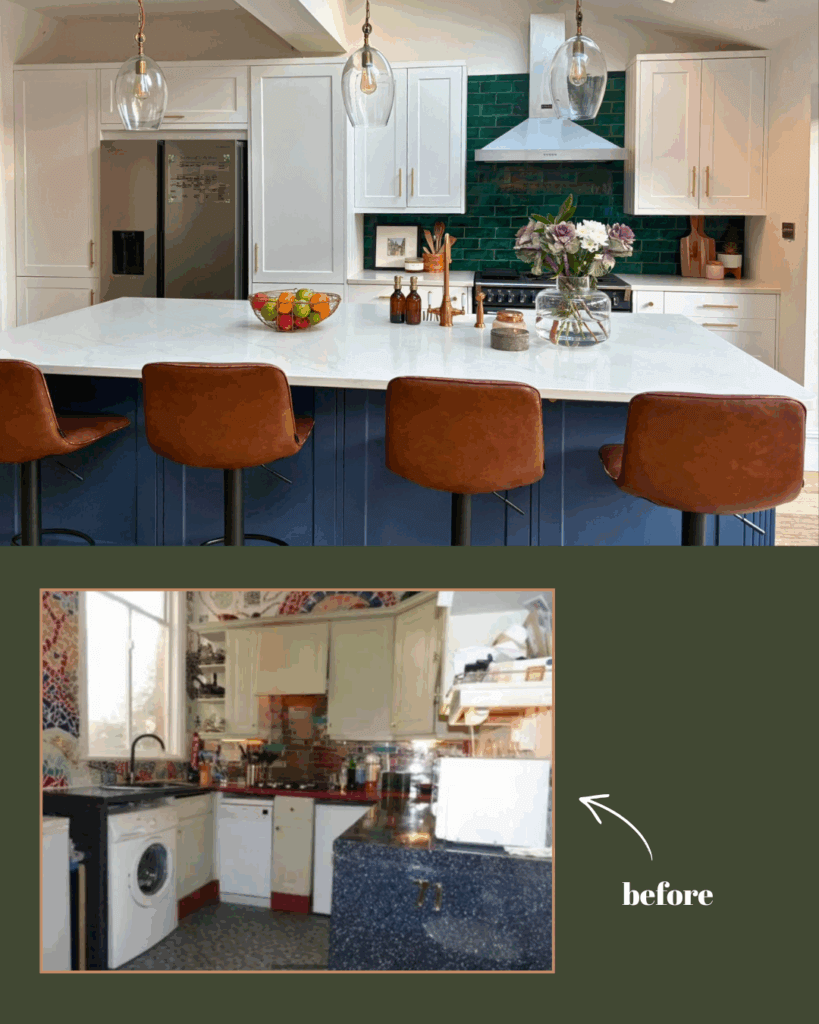
Our kitchen is a good example of how flow and light can completely change how a home feels. What was once a small, enclosed room is now part of an open kitchen, living and dining space filled with natural light. This didn’t happen overnight – it evolved over time and was thoughtfully adapted to modern life.
5. Invest wisely
After buying a home, it’s completely normal to feel overwhelmed by how much still needs doing – and how much it might cost.
My advice is always to prioritise the less glamorous essentials first. If a rewire is needed, address it early. Upgrading windows can make a huge difference to comfort and energy bills in the middle of a Manchester winter. Original features, such as stained glass, don’t have to be lost – they can often be sensitively upgraded.
From there, invest where you spend the most time. Well-designed kitchens, bespoke storage, and calm bedrooms with good lighting and quality materials will repay you every single day and night.
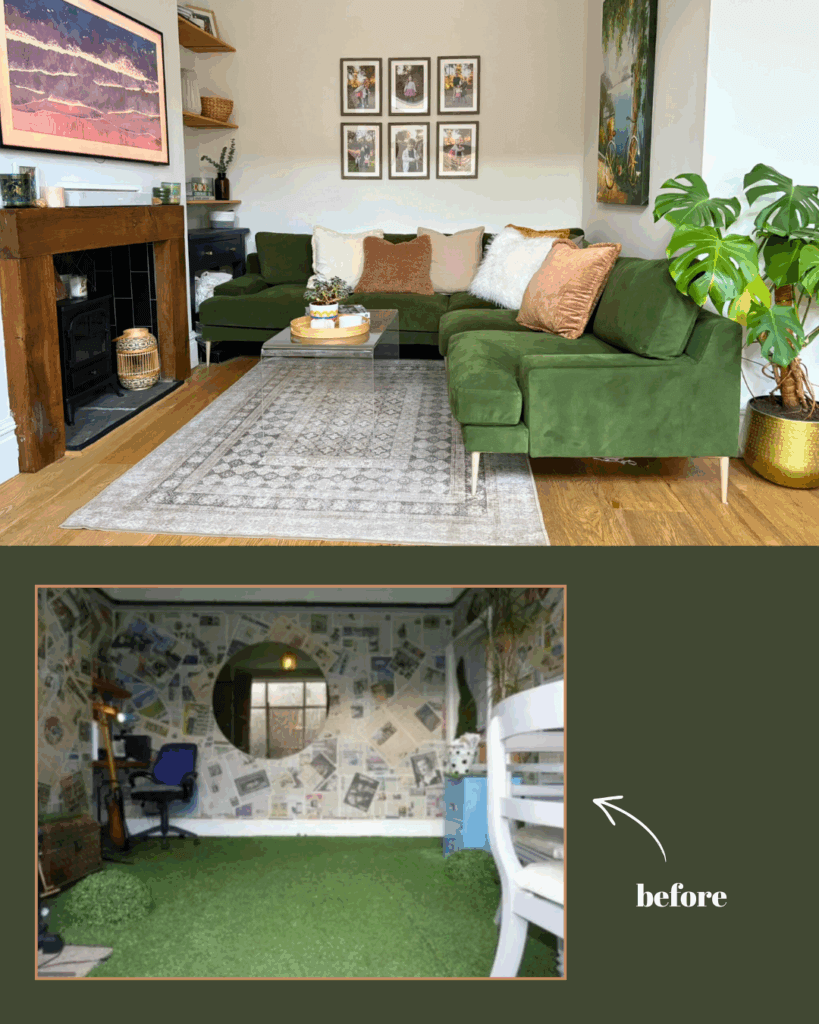
This room shows how investment doesn’t always mean structural change. What was once an awkward, unloved space is now a family snug – somewhere calm, comfortable and filled with family memories. Sometimes atmosphere, comfort and material choices deliver the biggest day-to-day return.
Taking the pressure out of modernising
Buying or modernising a doer-upper takes courage, and feeling overwhelmed at times is completely normal.
With a clear plan and thoughtful decisions, homes that need a bit of love often become the most rewarding places to live – because they end up working for you and your family, not just looking generically good on day one.
And if you ever need help seeing what’s possible, or working out what’s worth doing now versus later, that’s exactly the kind of thing I love helping with.
Good design isn’t about perfection from day one – it’s about creating a home that brings joy and supports your everyday life.
This room shows how investment doesn’t always mean structural change. What was once an awkward, unloved space is now a family snug – somewhere calm, comfortable and filled with family memories. Sometimes atmosphere, comfort and material choices deliver the biggest day-to-day return.